





Sports betting odds can look confusing to beginners, particularly when different platforms display prices in different formats. Understanding how odds work can help readers interpret predictions, compare probabilities, and recognize why no sporting outcome is guaranteed.
What Betting Odds Represent
Odds indicate the potential return associated with a wager and reflect an assessment of the likelihood of an outcome. They are not objective guarantees that an event will happen.
In decimal format, odds of 2.00 generally mean that a successful wager returns twice the original stake, including the stake itself. A hypothetical ₱100 wager at those odds would produce a total return of ₱200 if successful, representing ₱100 in profit before any applicable fees or deductions.
At decimal odds of 1.50, the same ₱100 stake would return ₱150, including the original stake. These examples illustrate potential payouts, not recommendations to place bets.
Converting Odds Into Implied Probability
Decimal odds can be converted into a basic implied probability by dividing one by the odds and multiplying the result by 100.
For example, decimal odds of 2.00 correspond to an implied probability of 50%. Odds of 4.00 correspond to 25%.
These figures do not necessarily represent the true probability of an event. Bookmakers generally include a margin in their prices, meaning the implied probabilities across all possible outcomes may add up to more than 100%.
Actual probabilities are also difficult to estimate because sports involve numerous changing variables, including injuries, tactics, weather, and player performance.
Why Research Cannot Eliminate Risk
Studying team records, recent results, and player statistics can provide useful context. Nevertheless, past performance does not guarantee future success.
A favorite can lose, an underdog can outperform expectations, and an apparently strong prediction can fail. Even repeated research cannot remove uncertainty from a sporting event.
It is also important to recognize the difference between understanding probability and making money. A mathematically correct interpretation of odds does not guarantee that a wager will be profitable.
Responsible Financial Boundaries
Anyone considering sports betting should first check applicable laws and age restrictions. If participation is legal, establish a strict spending limit using only money that is genuinely disposable.
Never borrow to bet, use household funds, or increase stakes to recover losses. Sports betting should not be treated as a savings plan, investment strategy, or dependable income source.
Conclusion
Understanding betting odds makes it easier to interpret potential returns and implied probabilities. However, odds are not promises, and research cannot eliminate the possibility of loss. Learning the mathematics behind betting is most useful when paired with realistic expectations and responsible financial decisions.
 Individual statistics can include goals, assists, shooting percentage, saves, rebounds, passing accuracy, or other sport-specific measurements. These numbers help describe performance but rarely explain the entire story.
 A characteristic of the top 20 online casinos in the UK is that the casinos are mobile-optimized. Because many people use smartphones to access platforms, there are attempts to incorporate responsive design into interface development. Specific applications and customized websites will make sure that players will be able to enjoy a plethora of features on smaller screens.
 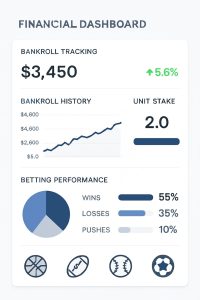 A unit-based system is commonly used by many bettors to deal with stakes. Every bet is a small percentage of the overall bankroll. This approach minimizes the effects of winning streaks.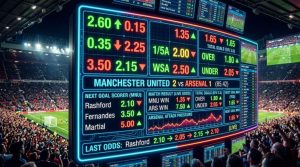

 The Olympics provide a one-of-a-kind betting opportunity because they only occur every four years. Having said that, bets should always be made in a responsible manner. Make a plan, adhere to it, and don’t ever try to recover losses.
 The Firepowers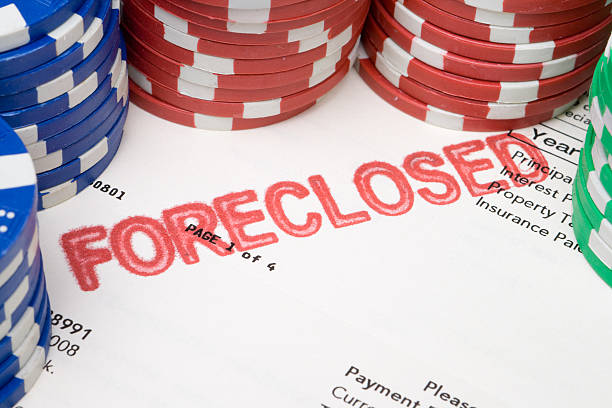



 Ask most bettors how they judge success, and you’ll hear the same answer: wins and losses. Did the bet cash or not? That mindset is understandable. Money is the point of betting. But it’s also the reason many bettors never improve, even when they’re placing bets through platforms like Nacional Bet apostas. Winning bettors think differently. They focus less on individual results and more on whether they consistently beat the line. Not because they ignore profit, but because they understand where profit actually comes from. Beating the line is about process, market truth, and sustainability. And those three things matter far more than any single outcome.
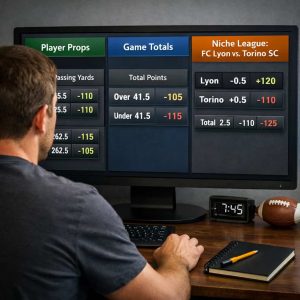 Line shopping is one of the few edges bettors can control. You are not predicting games better. You are simply choosing better prices. Over time, that difference matters. A half point here or a few cents there adds up faster than most people expect.
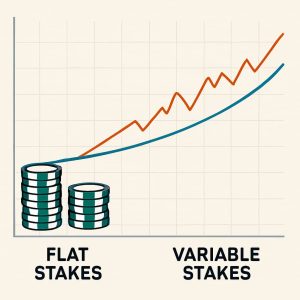 Every bettor faces the same question sooner or later: how much should I stake on each bet? Some keep it simple and bet the same amount every time, while others adjust their stakes based on confidence, form, or perceived edge. Even platforms like Zeroum um bet ultimately reward bettors who understand this decision, because these two approaches, flat betting and variable stakes, sit at the center of long-term betting strategy debates.
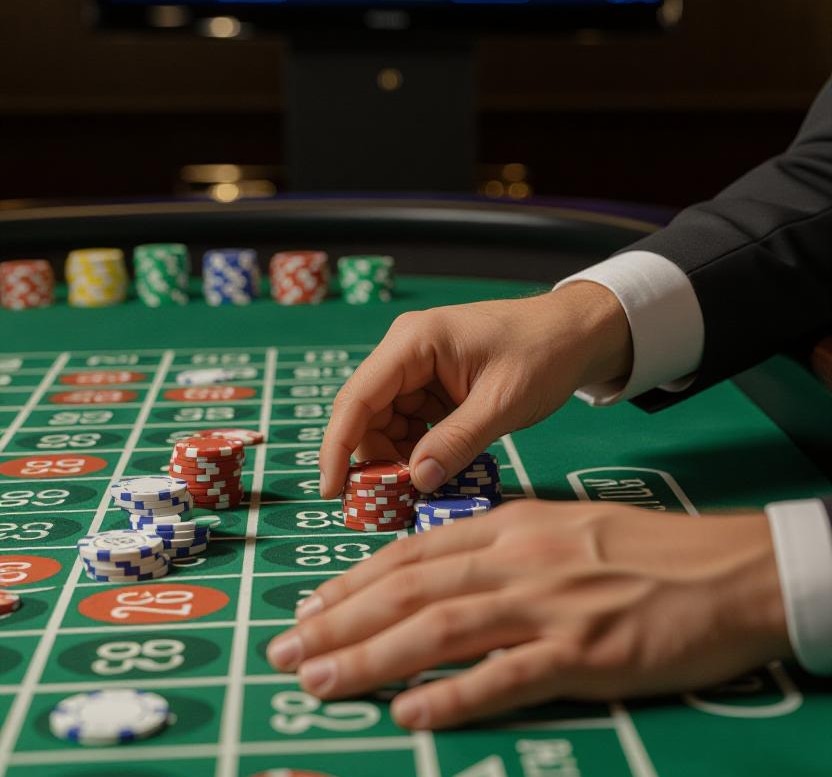
 The Italian market is flourishing on sports betting and casino games. The most popular sport to bet on has been football and specifically Serie A (the biggest professional football league in Italy), although there is growing popularity over esports like basketball and international events. In addition to this, slot machines, roulette, and live dealer games are still popular among many people.

 Sports betting and slot games have long been popular among gamblers, offering unique advantages. While sports betting relies on knowledge, analysis, and strategy, slot games focus more on luck and entertainment. But which one provides better-winning potential? Comparing PG Slot with traditional sports betting can help bettors decide which suits their gaming preferences and risk tolerance.